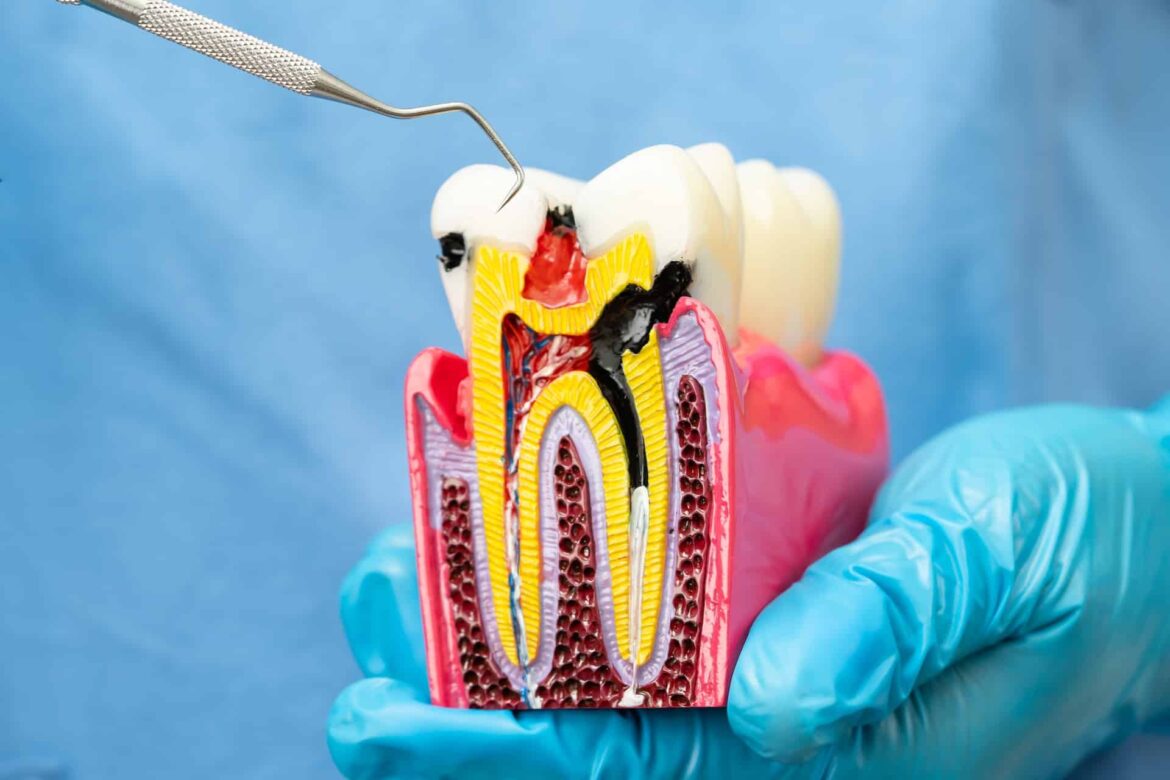
Why Gum Health Deserves More Attention
When people think about dental health, they usually focus on teeth. Cavities, whitening, straightening, and fixing chips tend to get the most attention. Gums, on the other hand, are often overlooked unless something feels wrong.
Healthy gums are the foundation that holds your teeth in place. When gums are unhealthy, even strong teeth can become unstable. Gum disease is one of the leading causes of tooth loss in adults, and it often develops quietly.
The good news is that gum disease is manageable when caught early. Understanding the signs and knowing when to seek care makes a major difference.
What Healthy Gums Should Look and Feel Like
Healthy gums are firm, pink, and fit snugly around the teeth. They do not bleed during brushing or flossing, and they do not feel tender or swollen.
Many people assume bleeding gums are normal, especially when flossing. They are not. Bleeding is a sign of inflammation, which usually points to early gum disease.
If your gums bleed regularly, feel sore, or appear red and swollen, it is worth having them evaluated sooner rather than later.
Early Signs of Gum Disease
Gum disease often begins with subtle changes that are easy to ignore. Early-stage gum disease, also called gingivitis, may not cause pain. That is one reason it progresses unnoticed.
Common early signs include persistent bad breath, gums that bleed when brushing or flossing, tenderness along the gumline, and slight swelling. Some patients notice their gums look darker or puffier than usual.
At this stage, gum disease is usually reversible with professional care and improved home hygiene. Waiting allows it to progress into more advanced stages.
What Happens When Gum Disease Progresses
When gum disease is not treated, it can move beyond the gums and begin affecting the bone that supports the teeth. This stage is known as periodontitis.
As the disease progresses, gums can pull away from the teeth, creating pockets that trap bacteria. These pockets deepen over time, making it harder to clean the area with brushing and flossing alone.
Bone loss may occur, and teeth can begin to feel loose or shift. At this point, treatment becomes more involved, but care can still help slow progression and protect remaining bone.
You can learn more about advanced gum care through our periodontics services page.
Why Gum Disease Is Not Just a Dental Issue
Gum health is closely connected to overall health. Chronic inflammation in the mouth does not stay isolated. Research has linked gum disease to conditions such as heart disease, diabetes, and complications with blood sugar control.
Inflamed gums provide an entry point for bacteria to enter the bloodstream. Over time, this ongoing inflammation can affect other systems in the body.
Taking care of your gums supports more than your smile. It supports your long-term health.
Common Risk Factors for Gum Disease
Anyone can develop gum disease, but some factors increase risk. Smoking and tobacco use are major contributors. Poor oral hygiene also plays a role, especially when plaque is allowed to build up over time.
Other risk factors include hormonal changes, certain medications that cause dry mouth, genetics, stress, and unmanaged health conditions like diabetes.
Knowing your risk factors helps your dentist tailor care and monitoring to your needs.
How Professional Cleanings Protect Gum Health
Professional cleanings remove plaque and tartar from areas that brushing and flossing cannot reach. Tartar buildup irritates the gums and creates a surface that allows bacteria to thrive.
Routine cleanings help prevent gingivitis from developing or progressing. They also allow your dentist to monitor gum health over time and spot changes early.
If it has been a while since your last cleaning, starting with preventive care is an important step. You can learn more on our preventive care page.
When Deeper Gum Treatment Is Needed
In some cases, regular cleanings are not enough. When gum disease has progressed, deeper cleaning methods may be recommended to remove bacteria from below the gumline.
These treatments focus on reducing inflammation, shrinking gum pockets, and preventing further bone loss. The goal is to stabilize gum health and make daily home care more effective.
Early intervention often leads to better outcomes and less intensive treatment.
Soft Tissue Management and Gum Health
Soft tissue management focuses on the health of the gums and surrounding tissues. This type of care may be recommended when gums are inflamed, uneven, or not responding to routine care.
Managing soft tissue health helps reduce infection risk and supports long-term stability. If your dentist recommends this type of care, it is usually part of a larger plan to protect your smile.
You can explore this type of treatment on our soft tissue management page.
Why Bleeding Gums Should Never Be Ignored
Bleeding gums are often dismissed as a brushing issue or a sign of flossing too hard. In reality, consistent bleeding is one of the earliest signs of gum disease.
Healthy gums do not bleed with normal brushing or flossing. If bleeding continues for more than a few days, it is worth scheduling an exam.
Ignoring bleeding allows inflammation to persist, which increases the risk of progression.
Gum Recession and Tooth Sensitivity
As gums recede, tooth roots may become exposed. Roots are not protected by enamel, which can lead to increased sensitivity to hot, cold, or sweet foods.
Gum recession can also make teeth appear longer and affect the appearance of your smile. Addressing the cause early helps prevent further recession.
How Daily Habits Affect Gum Health
Daily habits play a major role in gum health. Brushing twice a day, flossing daily, and using proper technique help remove plaque before it hardens into tartar.
Skipping flossing allows plaque to build up between teeth and along the gumline, where gum disease often starts. Consistency matters more than perfection.
If You Have Avoided the Dentist Due to Gum Concerns
Some patients avoid dental visits because they are worried about gum disease or fear being judged. Dental care is not about blame. It is about identifying issues and finding solutions.
The sooner gum disease is addressed, the more manageable it usually is. Even advanced cases can benefit from professional care.
How Gum Health Is Monitored Over Time
Dentists monitor gum health by measuring gum pocket depths, checking for bleeding, and reviewing changes over time. These measurements help track stability or progression.
Regular monitoring allows care to be adjusted as needed and helps prevent surprises.
Why January Is a Smart Time to Address Gum Health
January offers a fresh start. Insurance benefits reset, schedules are often more flexible, and there is time to plan care without urgency.
Addressing gum health early in the year allows treatment to be spaced out if needed and helps prevent issues from worsening.
What to Expect at a Gum Health Evaluation
A gum health evaluation includes an exam of the gums, measurements around each tooth, and a discussion of symptoms and habits. X-rays may be used to check bone levels.
Your dentist will explain findings clearly and recommend next steps if treatment is needed.
Protecting Your Smile Long-Term
Healthy gums support strong teeth. Protecting gum health helps maintain your natural smile for years to come.
Consistency with care, early intervention, and open communication with your dental team all play a role.
Schedule Your Gum Health Exam
If you have noticed bleeding gums, sensitivity, or changes along your gumline, now is the time to schedule an exam. Early care makes a difference.
Call now: 407-831-5455 Or request an appointment through our contact page.