


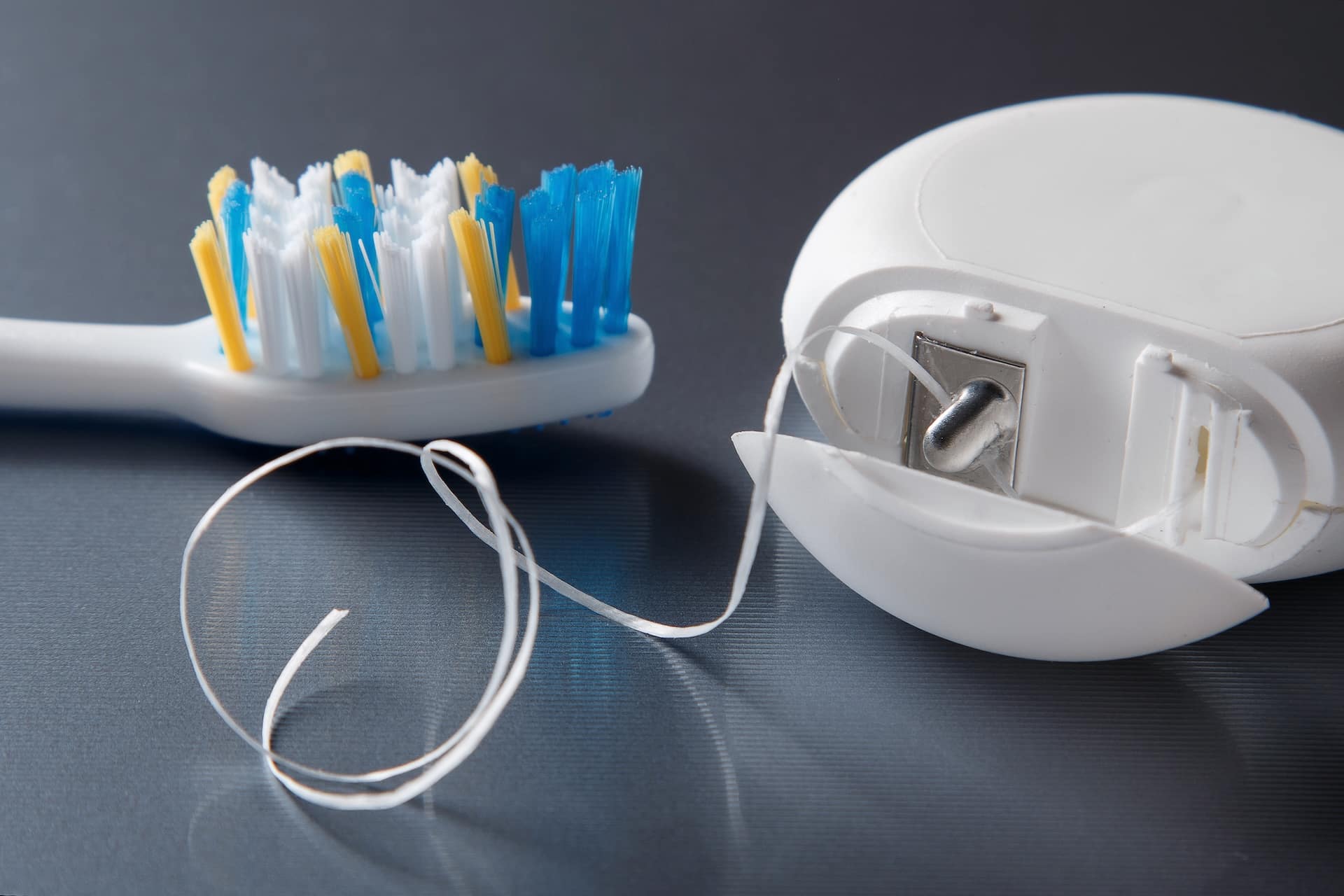
Flossing is one of those habits that everyone knows they should do—but very few people actually do it consistently.
Some think brushing is enough. Others find flossing annoying or uncomfortable. But here’s the thing: if you’re skipping it, you’re leaving almost half your mouth uncleaned.
Let’s talk about why that matters—and how to make flossing easier.
Brushing Only Gets You So Far
Your toothbrush is great at cleaning the surfaces of your teeth, but it can’t reach the tight spaces in between.
That’s where plaque builds up. And when it’s not removed, it hardens into tartar. You won’t be able to see it. But over time, that hidden plaque causes gum inflammation, bleeding, bad breath, and—eventually—bone loss.
Flossing is how you stop that from happening.
What Happens When You Skip It?
Here’s what we often see in patients who don’t floss:
- Gums that bleed or look swollen
- Persistent bad breath
- Tartar buildup between teeth
- Early gum disease (gingivitis)
- Cavities between the teeth
Most of the time, people don’t feel it happening until it’s too late. But the signs are there—especially bleeding when brushing.
Not a Fan of String Floss? Try These
If traditional floss isn’t your thing, don’t give up.
You have options:
- Floss picks – Great for beginners or kids
- Water flossers – Gentle and effective for sensitive gums
- Interdental brushes – Easy to use for wider gaps or braces
The goal is simple: clean between your teeth at least once a day. Morning or night—it doesn’t matter. Just do it.
Want Help? We’re Happy to Show You
A lot of people don’t floss because they’re not sure if they’re doing it right. That’s okay. You’re not alone.
At your next visit, we’ll show you how to do it in a way that’s quick, gentle, and actually works. You’ll be surprised how easy it feels once you get into the habit.